Commercial Real Estate Loan Requirements in 2026: What Actually Gets Approved
Published · 818 Capital Partners· 2 min read
The Short Answer
For small-balance commercial and industrial real estate in 2026, a private/bridge lender will typically approve up to 70–75% LTV on a stabilized asset, wants a 1.20–1.25+ DSCR on in-place income, 6–12 months of reserves, and a sponsor with relevant experience and liquidity. Owner-occupied and value-add deals are structured differently — but the asset and the sponsor matter more than a credit score.
Why the Bank Said No (and Why That Is Not the Whole Story)
Regional banks — the traditional home of 5–100 unit multifamily and small commercial — are shrinking their commercial real estate books into 2026. Good assets with good sponsors are losing their lender, not their fundamentals. That is the gap 818 Capital fills as a direct lender: we underwrite the project and the person, then place larger or specialized deals across an institutional desk.
The Requirements That Actually Decide It
Property Types Getting Funded
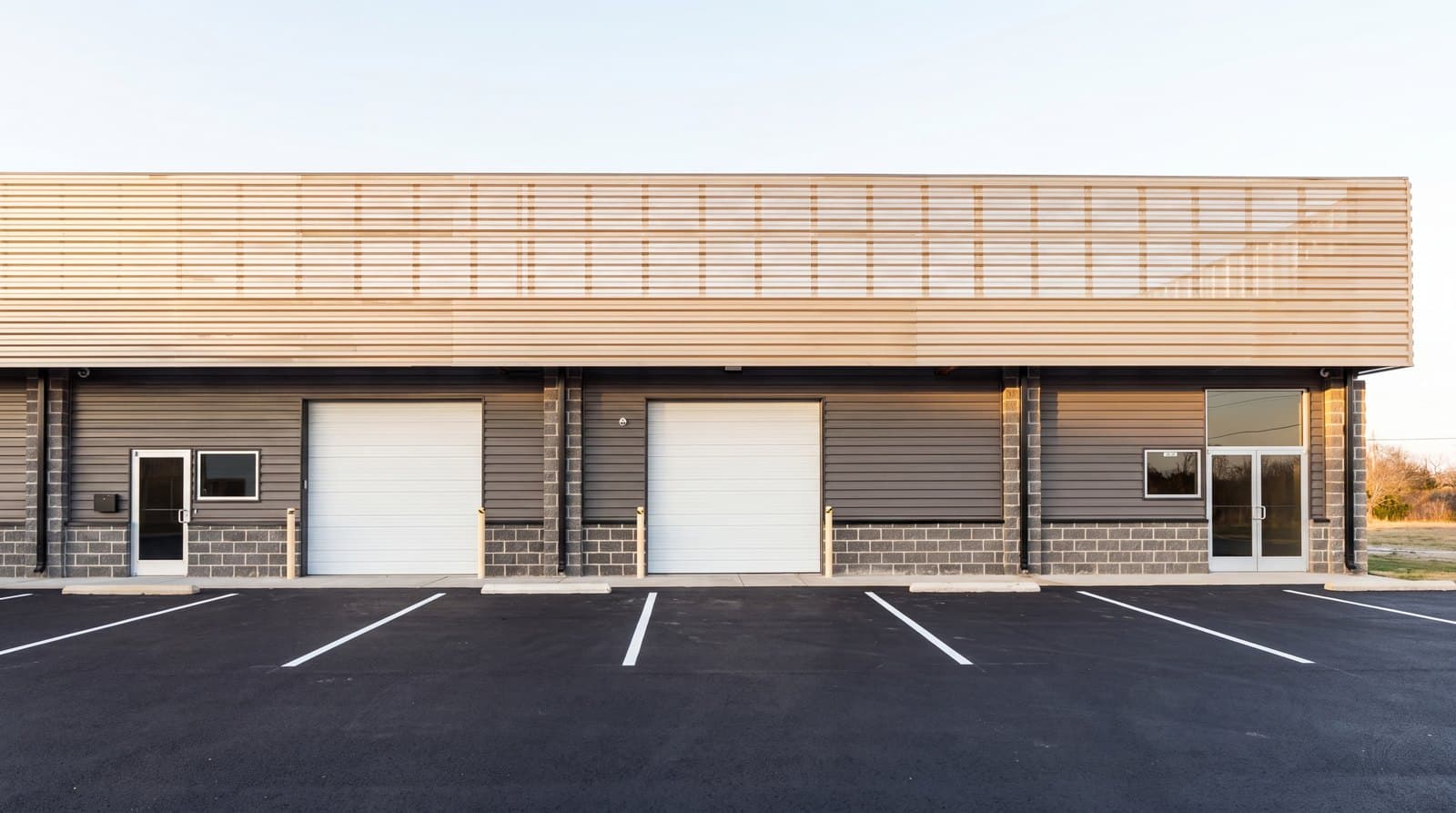
Retail and strip centers, suburban and medical office, mixed-use, self-storage, and — with the strongest tailwinds — industrial and warehouse. Loan sizes from $250K to $10M+.
How Fast
Most bridge and acquisition commercial loans close in 2–4 weeks with a direct lender, versus 60–90 days at a bank. For a time-sensitive acquisition, speed is the deal.
Have a commercial or industrial scenario? Submit it here — you will get a real answer within two business hours: what is executable, the rate range, and the path to close.