Multifamily / Commercial
Apartment & Multifamily Loans for 5+ Unit Buildings
5+ unit apartment buildings, mixed-use, and small commercial. Submit your NOI and get an AI Sponsor Brief with DSCR, debt yield, and leverage analysis.
Qualifying on the property rather than tax returns? See our dedicated multifamily DSCR loans page.
What multifamily loans does 818 Capital offer?
818 Capital Partners finances 5+ unit apartment buildings, mixed-use, and small commercial property, typically $500K to $10M+. That covers acquisitions, refinances, value-add and lease-up bridge loans, and long-term debt for stabilized assets. Loans are sized on the property's net operating income and the sponsor's experience.
818 is a direct lender that also runs a capital markets placement desk. Agency, bank, CMBS, and life-company loans are placed with those capital sources; where 818 lends its own capital, the term sheet says so. Every term sheet states which side of the desk it comes from. All financing is subject to underwriting and property qualification.
Buying a duplex, triplex, or fourplex? 2–4 unit properties are underwritten as residential investment property on our multifamily DSCR loans page. Building with voucher or project-based HAP income? See Section 8 multifamily loans. Facing a loan maturity on a 5–100 unit building? See maturity refinance and rescue bridge capital.
Multifamily loan programs
Matched to your deal profile, sponsor experience, and exit strategy. Ranges are general guardrails, not a quote or a commitment to lend.
Agency (Fannie/Freddie)
Bridge / Value-Add
CMBS / Life Company
DSCR Multifamily
How an apartment loan is underwritten
Reconcile the rent roll to collections and trailing operating statements. Show current income separately from the stabilized plan, including vacancy, concessions, repairs and the cost of leasing vacant units.
5+ unit buildings get an income-approach commercial appraisal, so the rent roll and expense ratio feed directly into value. Expect 45–75 days on a typical 5+ unit loan; that is a typical range, not a commitment.
What to send with a multifamily scenario
- Dated unit-level rent roll and trailing operating statements
- Delinquency, concessions and vacant-unit schedule
- Capital repairs, replacement reserves and lease-up budget
- Current debt, payoff and proposed exit assumptions
Full walkthrough: 2026 Multifamily Financing Playbook · Multifamily Underwriting 101
National Market Snapshot
Q1 2026Source: CoStar and institutional market research - national multifamily averages
Top Performing Markets
Where we're actively funding multifamily deals
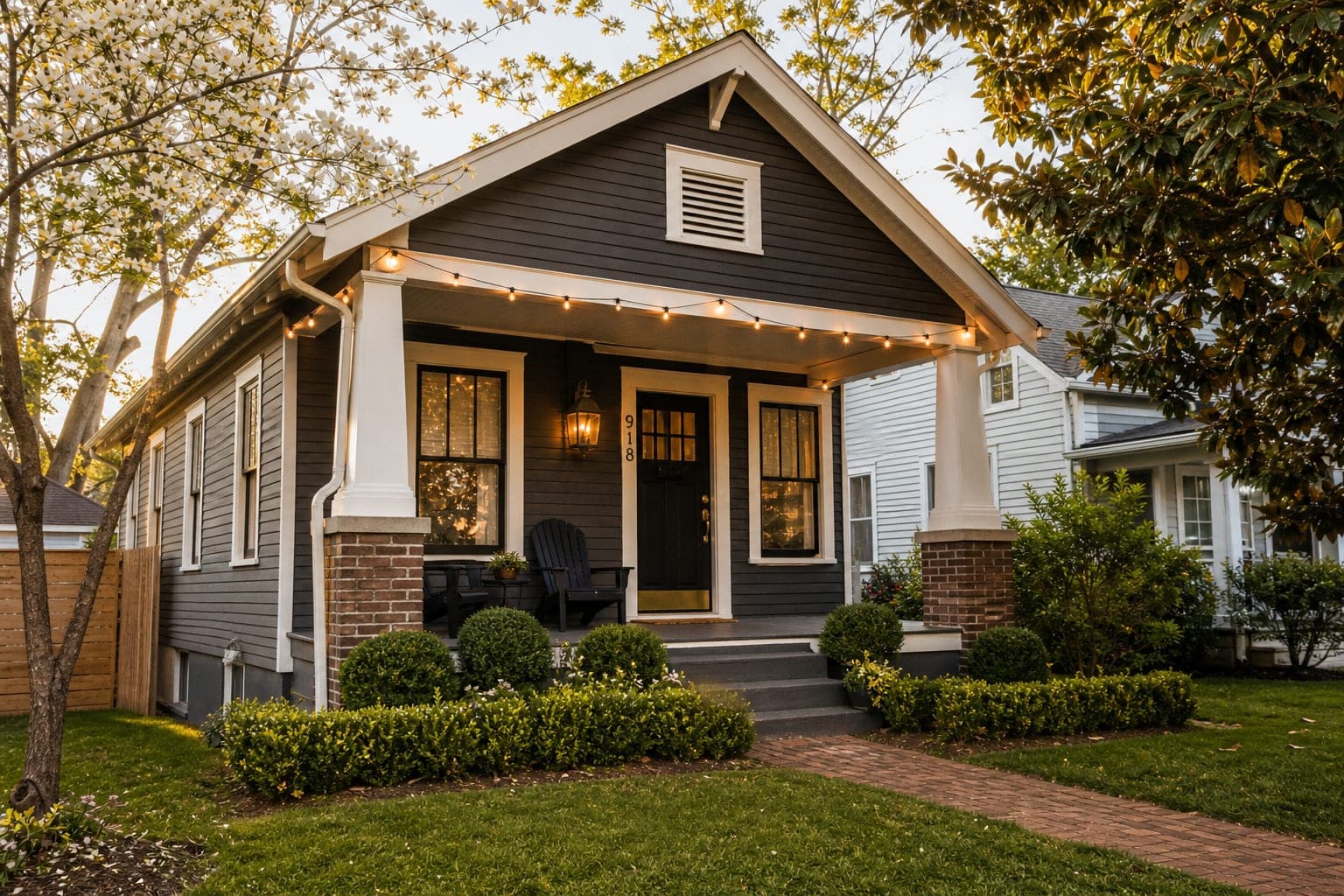
Real Deal · Case Study
A 33-Unit, Closed With a Bank — Not a Bridge
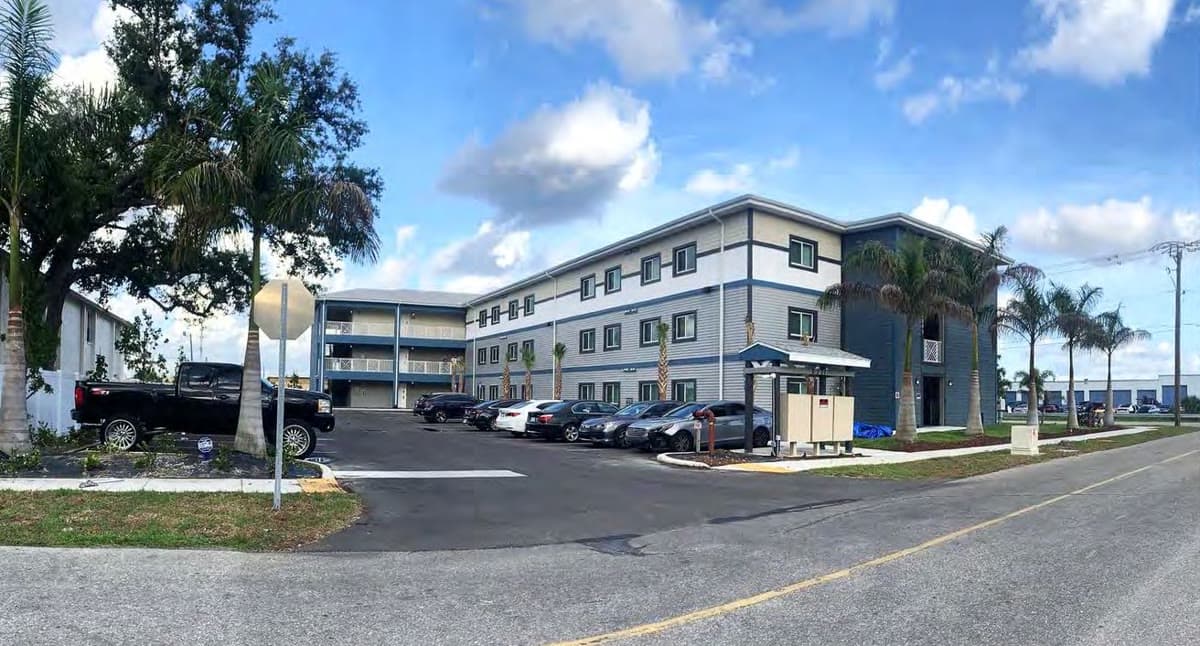
Fort Myers, FL · 33-unit multifamily · 2023 construction
An 85%-occupied, value-add apartment building most lenders would only finance as expensive 10%+ bridge debt. We placed it as a permanent bank loan, negotiated the rate down, secured seller credits, and quarterbacked a complex commercial close to the wire.
The Challenge
A 2023-built, 33-unit asset bought out of a distressed-operations situation — depressed rents, deferred items, open permits, and five vacant units. The operator didn't want a bridge; he wanted permanent financing from a real bank — the cheapest, most durable money, and the hardest close in the business: a bank credit committee, an appraisal, title, and municipal permitting, all on one clock. Most lenders see the complexity and decline. We've owned deals like this — so we underwrote the asset, not just the credit box.
How We Closed It
We ran the entire process — sourcing, structuring, and a same-week agency-refinance plan for the exit:
- 1We shopped the deal to ~60 banks to find permanent terms most lenders wouldn’t offer on a value-add asset.
- 2We built the credit case — 30+ analyses and models — and packaged it for the bank, the appraiser, and the property manager.
- 3We negotiated the bank’s spread down from Treasury +300 to +250 bps — a 6.65% rate on a deal others priced as 10%+ bridge.
- 4We secured $70,250 in seller credits and a 12-month interest-only runway to lease up the vacant units.
- 5We quarterbacked the close — bank, title, two law firms, insurance — to fund on the purchase-and-sale contract.
The Operator Economics
A bank rate instead of a bridge rate changes the whole hold. On the $3,150,000 loan, permanent bank pricing saves an estimated ~$121,000 a year in interest versus typical bridge debt — and the 12-month interest-only period frees roughly $48,800 of year-one cash flow to lease up the vacant units. The asset was bought below replacement cost with rents well under market, leaving clear value-add upside as leases roll.
Illustrative: interest savings compare the 6.65% bank rate against typical 9.5–11% bridge pricing on $3.15M; not an actual alternative quote. Forward-looking figures are estimates only — every deal varies, and nothing here is a projection or guarantee.
The Deal at a Glance
130 calls
2,600+ texts · one point of contact
$70,250
in seller credits negotiated
Reflects a single funded business-purpose transaction; individual results vary. Rate, fee, and credit figures are drawn from the executed term sheet and signed closing statement; savings versus bridge are illustrative comparisons, not actual quotes or a guarantee. Names and street address withheld for privacy. Not a commitment to lend; all financing subject to credit approval, underwriting, and property qualification.
Instant Property Valuation Pre-Check
When you submit a deal, our AI appraisal engine automatically runs a conservative, lender-grade valuation analysis. You get a value range, confidence score, and risk flags — before underwriting even starts.
As-Is & Stabilized Value Ranges
Low / mid / high estimates using income, sales comparison, and cost approaches.
Confidence Score & Risk Flags
Know where your deal stands before submission. Conservative, lender-first output.
Credit Committee Notes
Internal-grade analysis notes you can use when packaging the deal for lenders.
As-Is Value Range
Key Metrics
NOI Annual
$38,400
Implied Cap Rate
8.4%
Price / SqFt
$212
Methods Used
Income + Comps
Risk Flags (2)
Limited recent comps within 0.5 mi • Vacancy data from 2024 Q3
Common questions.
What size multifamily does 818 finance?
5+ unit apartment buildings, mixed-use, and small commercial — typically $500K to $10M+.
Do you offer bridge and permanent multifamily loans?
Yes — value-add/bridge capital for repositioning and lease-up, plus longer-term DSCR financing for stabilized assets.
How is a multifamily loan underwritten?
On the asset's net operating income and your experience as a sponsor. We size the loan against DSCR, debt yield, and leverage, and 818 generates an AI Sponsor Brief in about 24 hours.
What LTV can I get on a multifamily loan?
It depends on the execution. Most stabilized assets land at 70–75% LTV. The programs on this page list up to 80% for agency and 5–20 unit DSCR loans, up to 75% for CMBS and life-company loans, and bridge loans sized on cost at up to 80% LTC. Final leverage is set in underwriting by NOI, DSCR, and debt yield.
Is 818 Capital a direct lender or a broker on multifamily?
818 is a direct lender that also runs a capital markets placement desk, and every term sheet says which one applies. Agency, bank, CMBS, and life-company loans are placed with those capital sources. Where 818 lends its own capital, the term sheet says so. You always know which side of the desk a term sheet comes from.
What is the difference between a 2–4 unit loan and a 5+ unit loan?
2–4 unit properties are underwritten like residential investment property: a residential-style appraisal and qualification on gross unit rent. 5+ unit buildings are treated as small commercial: an income-approach commercial appraisal, qualification on net operating income, and a narrower set of lenders.
Can I finance an apartment building without tax returns?
On 5–20 unit buildings, a multifamily DSCR loan qualifies on the property rather than personal income. A DSCR of 1.20× or higher gets the best pricing; 1.00–1.19× still qualifies at most lenders with a rate adjustment. Above roughly 20 units, most deals move to agency, bridge, or CMBS execution.
Can you finance a value-add building that is not fully occupied?
Bridge and value-add structures are built for renovation and lease-up, subject to underwriting. One funded example: an 85%-occupied, 33-unit building in Fort Myers, FL closed as a $3,150,000 permanent bank loan with 12 months of interest-only, placed through our desk. That is a single transaction; individual results vary.
Do you finance apartment buildings with Section 8 tenants?
Section 8 income is rental income, and 5+ unit buildings with voucher or project-based HAP income are reviewed under this program. Lenders look at the HAP contract term, contract rents against market rents, and the inspection record. Details are on the Section 8 multifamily loans page.
How long does a multifamily loan take to close?
5+ unit loans typically run 45–75 days, because the commercial appraisal and third-party reports set the pace. Bridge loans can move faster. These are typical timelines, not a commitment.
What documents do I need for an apartment loan?
Dated unit-level rent roll and trailing operating statements; Delinquency, concessions and vacant-unit schedule; Capital repairs, replacement reserves and lease-up budget; Current debt, payoff and proposed exit assumptions.
Where does 818 lend on multifamily?
Across 48 states. Program availability varies by state, property, and sponsor, and every scenario is reviewed for fit before terms are issued.
Apartment & multifamily loans by market
Get Your Sponsor Brief
Submit your multifamily scenario. AI generates a Sponsor Brief in seconds.